Gemini 4 Argon arrives in the API at a fifth of rivals' price
Gemini 4 Argon is available globally with a promotional price until November. See where to access it, what the company promises, and what to test before the price doubles.

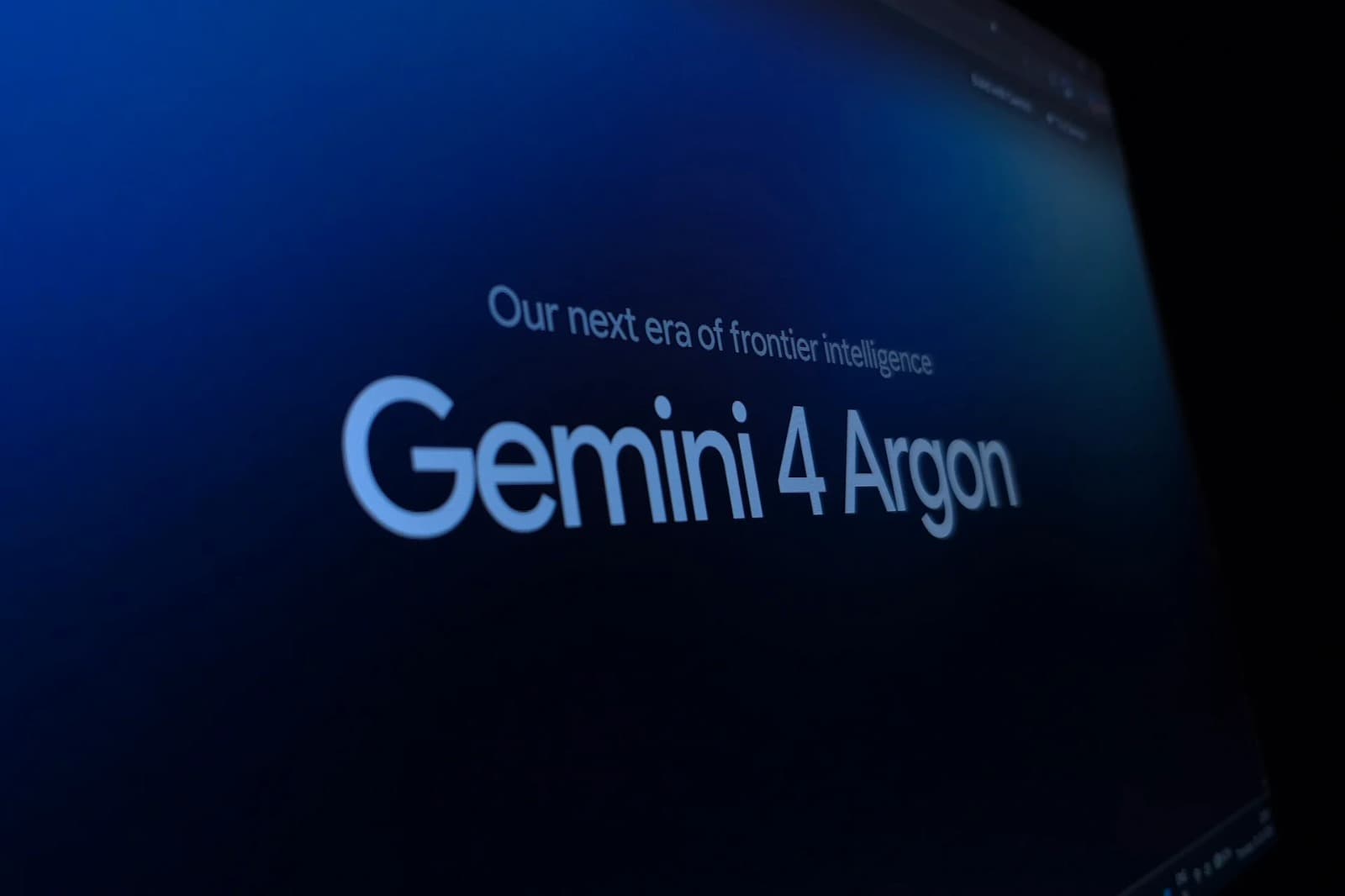
Gemini 4 Argon became globally available on October 13, according to an announcement from Sundar Pichai. The model had been introduced in late September as the most powerful ever developed by the company. Until then, access was restricted to cybersecurity experts and trusted testers.
The release reaches several fronts. In addition, developers and companies can access it through the paid plan of the API and the Gemini platform.
Ultra subscribers get in through Google Antigravity. In the Gemini app and in Search, Ultra and Pro both receive the model.
The promotional price has an end date
Here is the point that requires planning. However, the debut price came in at $2 per million input tokens and $10 for output.
According to the company, that corresponds to about a fifth of the amount charged by the main competitors.
That condition, however, holds until the end of November. From December on, though, the prices double.
Therefore, any cost projection needs to consider both price tiers. Planning around the current price will cause a surprise in the first month of 2027.
Availability for the Plus plan and for free users remains undefined.
Gemini 4 Argon targets long, multi-step tasks
In addition, the company positions the model across five areas. These include programming, cybersecurity, science, finance, and law.
The central argument is about depth. According to the company, accuracy on multi-step tasks puts the model ahead of other state-of-the-art systems.
In internal tests, the list of models it outperformed includes GPT 6 Astra, Claude Fable 5.1, and Claude Opus 5.5.
However, the usual caveat applies. A benchmark released by the vendor itself serves as a starting point, while testing it on your own repository is what decides the choice.
The internal uses the company cites
The examples help clarify the model's profile. It takes part in investigations of critical vulnerabilities, contributing to faster fixes.
The company also points to use in quantum computing, nuclear fusion, and life sciences.
On the software engineering front, two cases stand out. They are refactoring and optimization of enormous codebases.
Note the pattern in these examples. All of them involve large context and long execution, a scenario where smaller models tend to fail.
Robotics also appeared in the announcement. According to the company, the model has been unlocking workflows aimed at physical-world applications.
What to do before December
First, test now while the cost is low. The promotional window works as a cheap lab.
Second, measure cost per completed task. Price per token matters little when consumption varies so much between models.
Third, prepare routing. Simple tasks on a smaller model and open-ended work on the top-tier model protect the budget.
In addition, record the results of your tests. With data in hand, the December decision stops being a guess.
Finally, keep the abstraction layer. A price change becomes a configuration tweak when the application avoids lock-in.
Follow our profile on Instagram!
Translated from the Brazilian Portuguese original · Read the original
Microsoft bets on Maia 300 to take inference out of Nvidia's hands
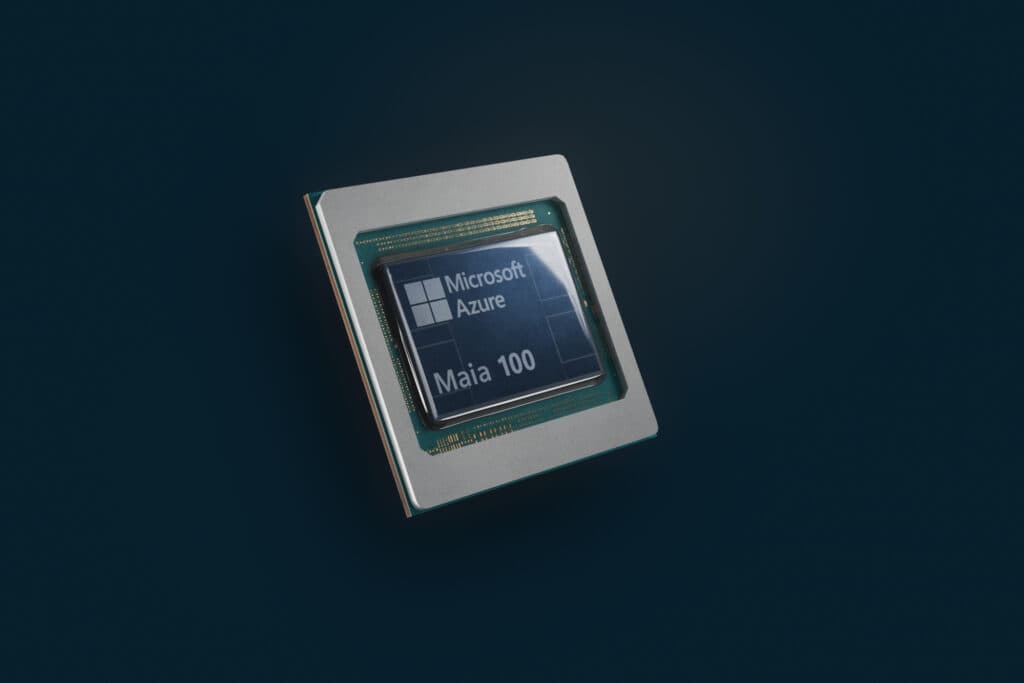
Microsoft announced the Azure Maia 300, the third generation of its AI chip system, on October 13. Production begins in 2027.