OpenAI Starts Showing Ads in ChatGPT in India
Brands enter the platform for users on the Free and Go plans; a self-service ads manager opens on September 4, signaling a model that could reach other markets.

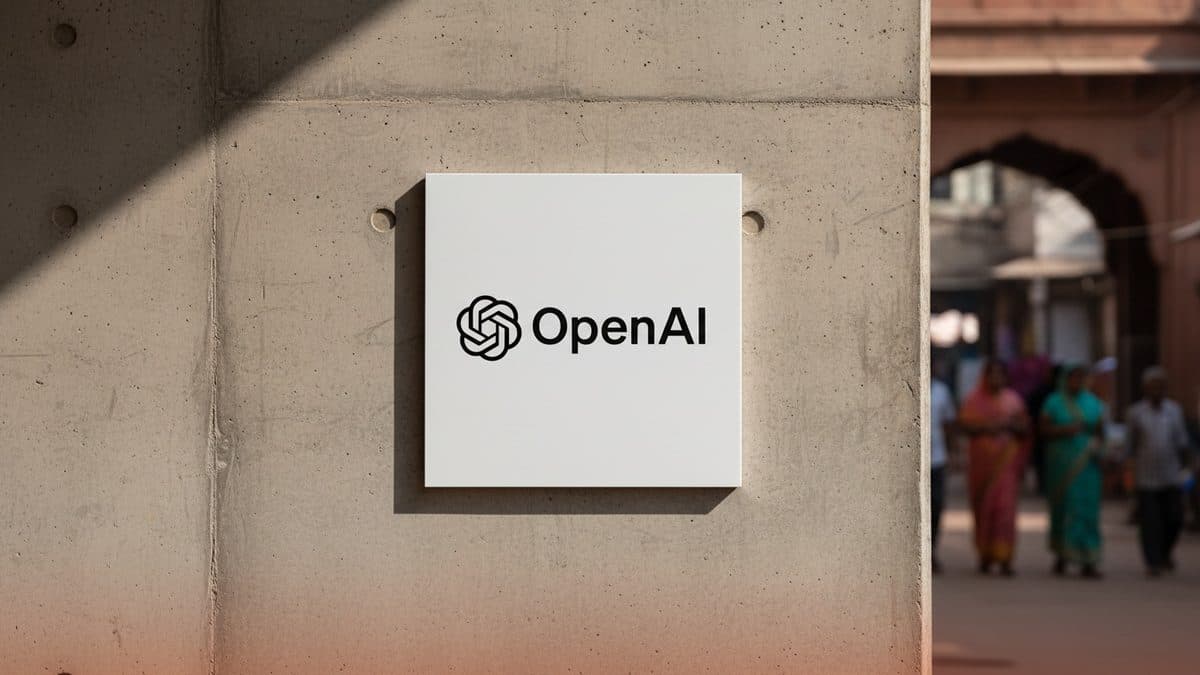
OpenAI has started showing ads inside ChatGPT in India, according to a report by Inc42. The initial rollout covers logged-in adult users on the Free and Go plans, while subscribers to Plus, Pro, Business, Enterprise, and Education continue to have an ad-free experience.
It's the most concrete step yet in the company's ad-based monetization strategy, which until now had relied on subscriptions and corporate partnerships. The move comes about six months after OpenAI began testing ads in the United States.
How the Ads Appear
According to Inc42, ads appear below ChatGPT's responses when there's a sponsored product or service relevant to the context of the conversation. OpenAI states that they will be clearly labeled and visually separated from the AI-generated response.
The company has also set limits: ads will not be shown to users under 18 nor alongside sensitive topics such as mental health and politics. It also states that advertising does not influence ChatGPT's responses.
On privacy, the point that matters most to product builders: advertisers do not have access to conversations, chat history, memories, or personal data of users. They only receive aggregated campaign data, such as impressions and clicks. This is a meaningful separation, considering that the value of a conversational assistant lies precisely in what the user reveals during the conversation.
Who's Already In and How Much It Costs
The agencies WPP and Omnicom are OpenAI's first partners in India. More than 50 brands are expected to launch campaigns within a week, according to the report.
The most important operational detail: starting September 4, companies will be able to access ChatGPT's self-service ads manager, with daily budgets starting at ₹725 (about US$8 at the time's exchange rate). In other words, this isn't a product restricted to large accounts with agency contracts; the entry barrier was designed to let small businesses experiment with advertising in conversational AI.
Why India and Why Now
The timing isn't random. The launch coincides with India's festival shopping season, the period of highest local retail spending. And there's a strong business argument behind the bet.
According to a report by consultancy Redseer cited by Inc42, native AI ad formats can deliver 4x the conversion rate of conventional search, because conversational platforms combine purchase intent with personalized recommendations at the same moment the user is researching a product.
The same Redseer projects that conversational AI assistants should account for about 8% of digital advertising by 2030, taking share mainly from search and static display formats. It's the thesis that the consumer's point of contact with the brand is migrating from the search box to the conversation.
The Core Tension: Revenue vs. Trust
Inc42 itself points out the dilemma OpenAI will have to manage: building a relevant advertising business without eroding the experience that drove ChatGPT's mass adoption. It's the same tightrope search engines have walked for two decades, now compressed into a conversational interface where the line between a helpful answer and sponsored content is thinner.
The guarantee that ads don't influence responses and that advertisers can't see conversations is an attempt to answer that tension. In practice, it remains to be seen how the "sponsored" label coexists with the perceived authority of an AI response.
What This Signals for Brazil
For now, the feature is restricted to India, and before that there was only the US test. There's no official date announced for Brazil. But the rollout pattern, testing in the US and then scaling to a large emerging market with a strong user base, puts the Brazilian market on the radar as a natural candidate for the next waves.
For those building AI products in Brazil, there are three fronts to watch:
- The free plan becomes media inventory. If the model arrives here, ChatGPT Free stops being just an acquisition cost for OpenAI and becomes a revenue channel. This changes the economics for those who depend on the free tier and could put pressure on the relative price of paid subscriptions as a way to "remove ads."
- A new acquisition channel. A self-service ads manager with a low daily budget is potentially accessible to Brazilian startups and digital businesses that want to appear at the moment of purchase intent within the conversation, a different context from traditional search.
- A privacy design reference. The separation between aggregated data (for advertisers) and conversation content (protected) is a model that AI product teams in Brazil will have to consider when designing their own monetization layers, especially under LGPD (Brazil's data protection law).
What remains open: whether OpenAI will replicate exactly the same limits (minors, sensitive topics, no influence on responses) in other markets, and on what timeline. For now, the Indian test is the company's scale laboratory for advertising in conversational AI.
Translated from the Brazilian Portuguese original · Read the original
Leak exposes six critical unpatched Linux kernel flaws
A report meant for the kernel security team's secure channel ended up on the public developer mailing list. Six critical vulnerabilities were exposed before any fix existed.