Automattic board falls after failed attempt to oust Matt Mullenweg
WordPress founder retook control in 33 hours and removed the board members who voted to oust him. For those building on WordPress in Brazil, the episode shows how much the project depends on a single person.

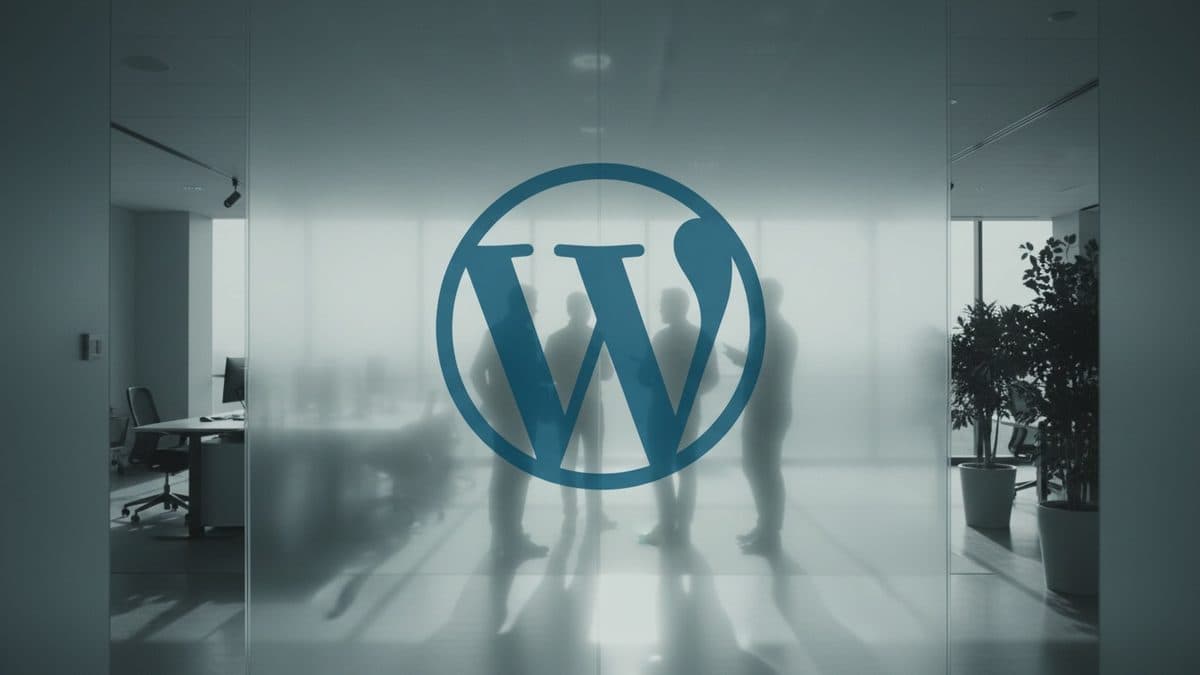
Automattic's board, the company behind WordPress.com and WooCommerce, was dissolved after failing in an attempt to oust founder and CEO Matt Mullenweg. The information was confirmed by multiple sources to TechCrunch, which the previous week had reported the board's vote to place Mullenweg on paid leave.
The sequence of events is short and revealing. The board voted for his removal; Mullenweg responded by accusing the members of conspiring against him in a post on the company's internal Slack; days later, he told employees he was back in charge. Automattic confirmed his return on Saturday. In a statement, a spokesperson summed up the crisis with almost provocative chronological precision: "Matt was out for just 33 hours and 20 minutes, now we're back to work."
Who left the board
According to TechCrunch, three names left the board, all among those who voted for the removal. Toni Schneider, founding CEO of Automattic and now head of the open social network Bluesky, resigned his seat, and even removed from his personal website the paragraph describing his role as a board member and special advisor to the company. Sue Decker and General Ann Dunwoody also left the board, removed by Mullenweg. Decker's LinkedIn profile has already been updated to indicate she served on the board from March 2020 to September 2026, though her name still appeared on Automattic's official board page at the time the story was published.
In addition to the board departures, the company's Chief Legal Officer, Andy Missan, also updated his LinkedIn profile to indicate he is no longer part of Automattic as of September 2026. Sources told TechCrunch that the company is expected to make an internal announcement about the new board.
Automattic did not comment on specific names. In a statement, it said it has "great respect for everyone involved" and said it remains "excited about what's ahead, with Matt at the helm."
The backdrop: the fight with WP Engine
What prompted the board's vote is still unclear, but the episode doesn't happen in a vacuum. Automattic and Mullenweg are in the middle of a high-profile legal dispute with WP Engine, a WordPress hosting company. Mullenweg accuses WP Engine of infringing the WordPress trademark and of not contributing enough, in engineering hours or money, to the project's open source effort.
The fight has escalated in recent months. Earlier this year, WP Engine alleged in a court filing that Automattic planned to charge royalties from other competitors. More recently, it accused Mullenweg of allegedly destroying evidence related to the case in apps like WhatsApp, Signal, and Telegram. Last year, Mullenweg had disabled the accounts of several WordPress contributors over an alleged plan to fork the software.
This is the context that turns a corporate governance dispute into something bigger: decision-making power over a project that underpins a huge slice of the web is concentrated in a single figure, who controls the company, the trademark, and the community's infrastructure all at once.
Why this matters for those building in Brazil
WordPress powers a significant share of the world's websites, and Brazil is no different: agencies, e-commerce stores built on WooCommerce, media outlets, institutional portals, and countless small businesses run on the CMS. For founders and technical leaders who have staked part of their business on this ecosystem, the instability at the top of Automattic isn't distant corporate gossip, it's platform risk.
A few concrete points deserve the attention of decision-makers:
- Concentration of power. The episode makes it explicit that the direction of WordPress and WooCommerce depends, in practice, on one person. A board that tried to impose a check was dissolved in just over a day. For anyone planning a long-term product on the platform, that's a governance fact, not a footnote.
- The trademark and fork question. The dispute with WP Engine revolves around who can use the WordPress name and who controls access to the plugin and contribution ecosystem. Last year's deactivation of contributor accounts showed that access to the community can be cut unilaterally. Teams that depend on plugins and the official repository need to map out this risk.
- The software remains open source. It's worth separating the layers: WordPress itself continues to be free software, and most Brazilian sites running on self-managed hosting feel no immediate effect from a board change. The impact falls on the project's strategic direction, the community's rules, and Automattic's own managed services.
What remains open
Several questions remain publicly unanswered. It's not known exactly what led the board to vote for the removal, nor what the composition of the new board that the company promised to announce internally will be. It's also unclear how the Chief Legal Officer's departure relates to the ongoing legal dispute with WP Engine, a case that remains active and whose outcome could redefine the rules for using the trademark and participating in the ecosystem.
For those leading WordPress-based businesses in Brazil, the practical takeaway is vigilance, not panic. The sensible path is to closely follow Automattic's next governance decisions, understand your project's real exposure to managed services versus self-hosted open source code, and have clear contingency plans in case the mood in the community deteriorates. An ecosystem that moves so much shouldn't surprise its builders with a crisis resolved in just over a day behind closed doors.
Translated from the Brazilian Portuguese original · Read the original

Microsoft says AI agents are like insider threats and launches Guardian Agents
The company launched a system to monitor the very AI agents it sells, arguing that not even the market's most advanced models deserve full trust inside the enterprise.