Gemini Agent runs Claude models and picks which one to use on its own
Gemini Agent was announced by Google on October 8, during the Gemini at Work 2026 event. The proposal is for a single, universal agent.

Gemini Agent was announced by Google on October 8, during the Gemini at Work 2026 event. The proposal is for a single, universal agent for work. In addition, it answers questions, creates images and media, produces content, and writes or runs code.
The most talked-about detail, however, appears in model selection. The agent automatically chooses between options from the Gemini family and also from Claude.
More options are expected to be added later.
The architecture behind the agent
Thomas Kurian, CEO of Google Cloud, summarized how it works. According to him, the agent plans the work, uses skills and tools, connects to the customer's systems, and delivers a finished result.
Delivery happens where the person already works. However, documents, inboxes, and development environments are part of that list.
It also picks the best model for each task. In addition, it includes built-in cost controls.
Execution takes place in the cloud. Therefore, memories, context, and the personalized graph remain the same across any device or channel.
Gemini Agent inside Workspace
The features on this front cover office routines. The agent schedules meetings without requiring addresses to be typed in.
It also researches trends, builds spreadsheets, and creates presentations.
There is also an interesting feature. In addition, it is possible to generate a coworker agent, with its own identity and restricted access to certain information.
Custom skills round out the package. They can be created and published in a shared company registry, with the technology selecting the most suitable one for each task.
Notice what this means. However, the concept closely resembles an internal tool catalog, with automatic routing.
What's coming for technical teams
This part is directly relevant to those who work with data. Machine learning tools support scientists and engineers with a team of autonomous agents.
They are triggered from simple descriptions of the desired outcome.
On the business side, the focus is on reports. The system generates real-time operational reports in BigQuery and in Knowledge Catalog, through natural language queries.
There is a relevant cost detail. According to the company, these queries can be saved and run on demand by teams without additional token costs.
Gemini Agent arrives with a complete audit trail
Governance was a key highlight of the announcement. The agent works with detailed role-based permissions.
All actions are recorded in an audit trail. In addition, monitoring happens in real time.
Observability tools help identify anomalous behavior. As a result, the design directly addresses concerns about agents acting outside their scope.
Availability is rolling out in stages. Versions for the financial and legal sectors are in preview, while healthcare, retail, and government will follow later.
What to evaluate before adopting
First, test the routing between models. Automatic selection helps a lot, but it's still worth understanding the criteria and cost of each path.
Second, plan the skills catalog. A shared registry works better with clear naming and well-defined scope.
Third, review permissions by role. An agent with broad access increases the damage of any misstep.
In addition, measure actual token spend. A saved query with no additional cost significantly changes the math for recurring reports.
Finally, compare it with the alternatives. The product enters the competition against OpenAI's Dots and Meta's Muse agents, launched last month with similar capabilities.
Follow our profile on Instagram!
Translated from the Brazilian Portuguese original · Read the original
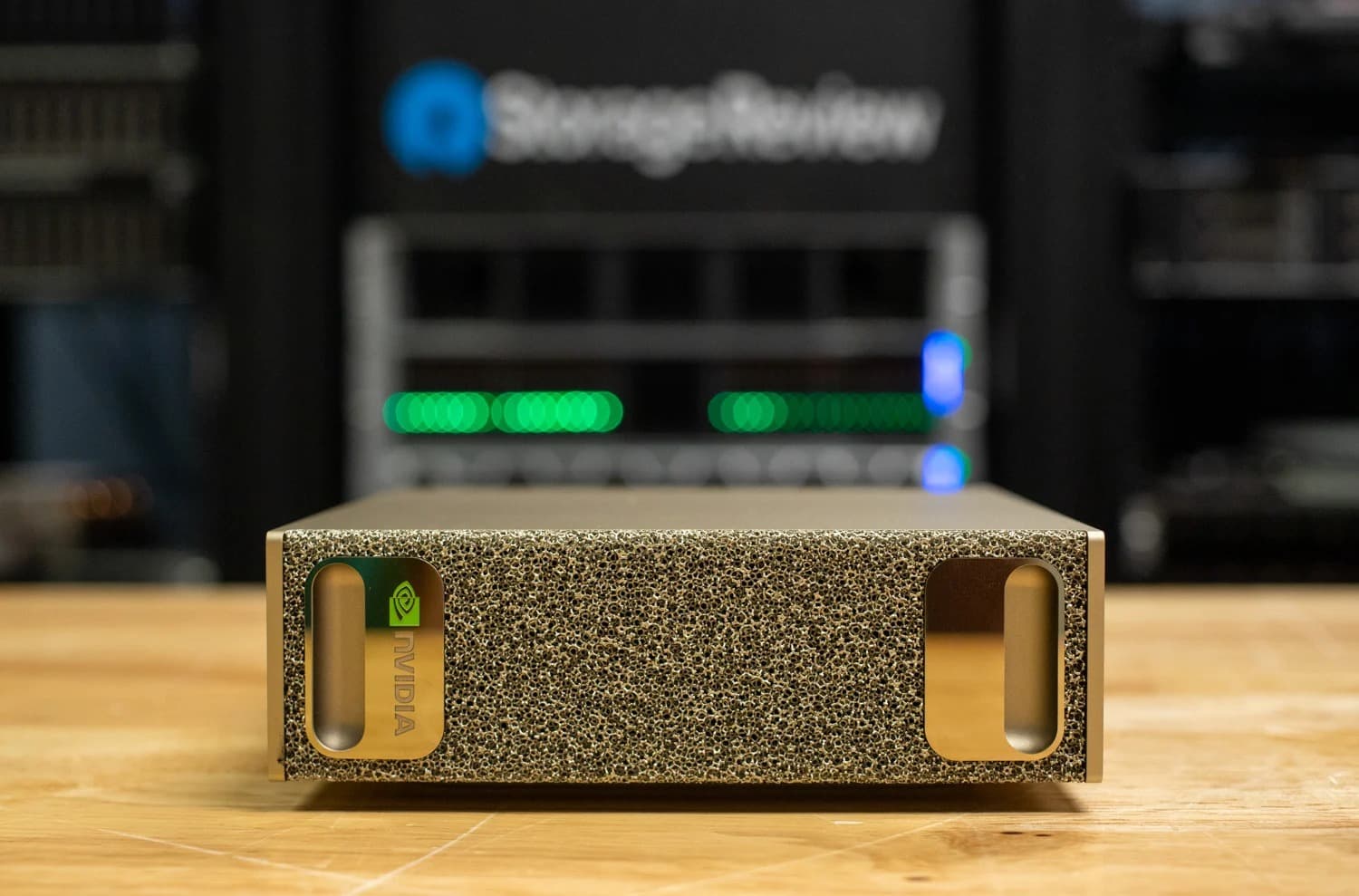
DGX Spark loses half the memory and costs more than the original
DGX Spark got a version with 64 GB of unified memory, announced by Nvidia on October 5. The suggested price came in at $4,999.