Google turns 28, and PageRank still explains the web we use
Google celebrated its 28th anniversary on Sunday, September 27. Curiously, this date differs from the company's official founding, registered on September 4, 1998.

Google celebrated its 28th anniversary on Sunday, September 27. Curiously, this date differs from the company's official founding, registered on September 4, 1998. The celebration, however, has already become a tradition in the company's calendar.
The story began with a research project called BackRub. Larry Page and Sergey Brin were behind it.
The proposal sounded bold for the time. Moreover, the stated goal was to organize the world's information and make it universally accessible.
Google: The algorithm that turned chaos into order
The technical differentiator appeared right from the start. The system ranked sites by relevance, delivering results far more useful than those of competitors.
Also, consider the context of that moment. However, the web functioned as a tangle of pages, with search engines that ranked results by word repetition.
The idea behind the ranking came from the academic world. A link pointing to a page worked like a citation, and citations added up to authority.
Therefore, the quality of results came to depend on the structure of the network. This notion still underpins much of what developers do today in technical SEO.
Google changed what it means to know something
The impact went beyond search itself. The tool changed the way people consume products, plan trips, and learn new skills.
Before that, finding a simple answer could take hours. The process depended on a library, a multi-volume encyclopedia, or the luck of having the source at home.
Moreover, access was unequal. Large universities and research centers concentrated a volume of data that today fits into any connection.
The cognitive shift also deserves mention. Additionally, the need to memorize facts declined, while finding and filtering information became an essential skill.
From website to verb, and from there to infrastructure
Everyday tasks were rewritten. Comparing electronics prices, finding a route to an unknown address, or translating a sentence became instant actions.
Over nearly three decades, the product stopped being just a website. It became a verb and an integrated part of the global routine.
Today, with billions of daily searches, the tool functions as basic infrastructure. Consequently, imagining the web without it has become difficult.
What this Google anniversary teaches product builders
First, a good thesis is worth more than many resources. Moreover, the minimalist homepage competed with content-packed portals, and the better result decided the contest.
Second, the right signal changes everything. Using links as a vote of confidence solved a problem that word counting left open.
Third, simplicity scales. A text box and a button have lasted 28 years with very little change.
Additionally, it's worth remembering the network effect. As more people searched, the behavioral data that fed the ranking system got better.
The next chapter is already being contested
Search is going through another moment now. Model-generated answers compete directly with the list of blue links.
This shift changes the work of those who publish on the web. Optimizing to appear in a synthesized answer requires a different strategy than optimizing for clicks.
Meanwhile, the original principle still holds. Whoever delivers the most useful answer with the least effort tends to win the user's attention.
Follow our profile on Instagram!
Translated from the Brazilian Portuguese original · Read the original
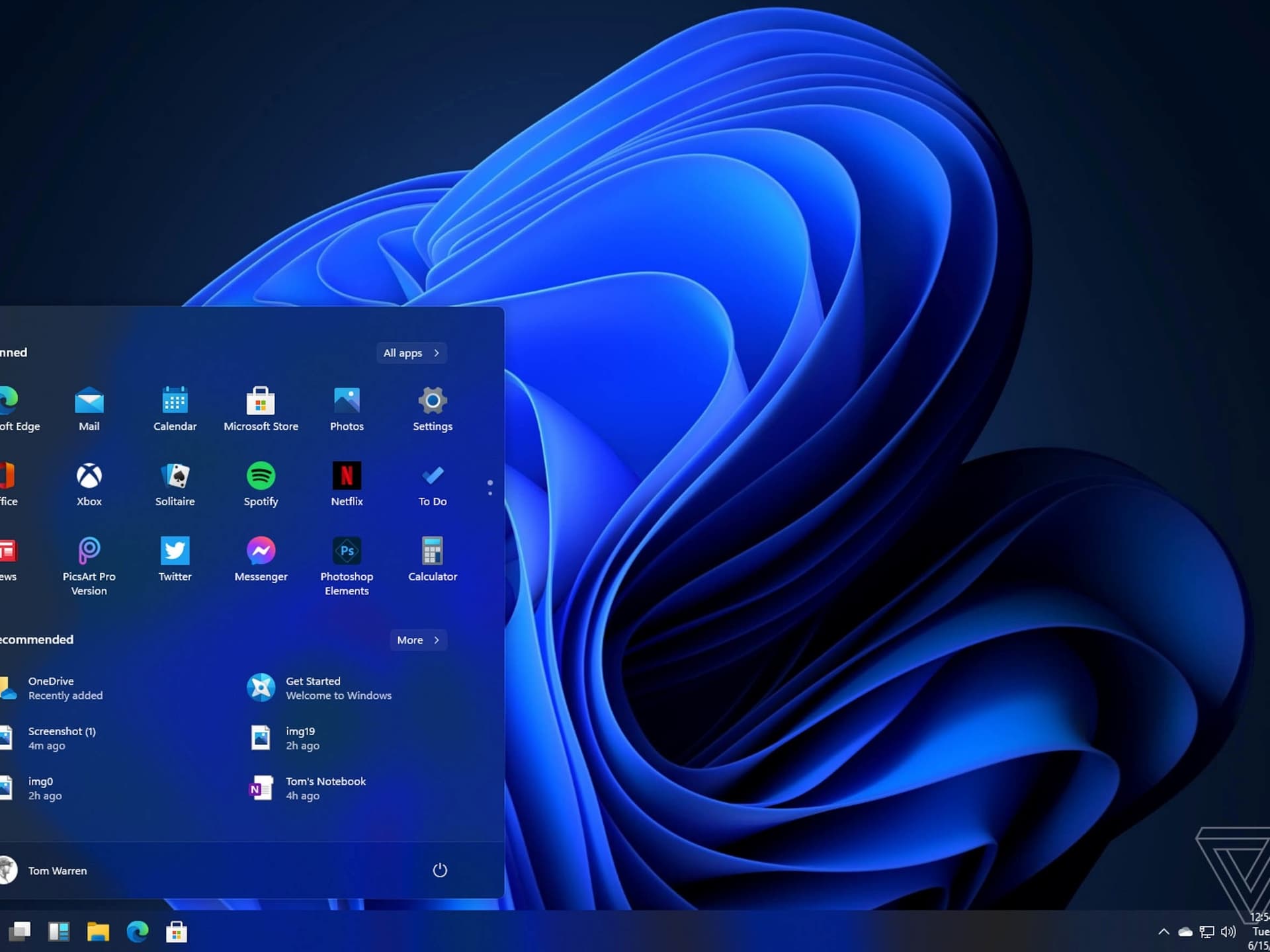
Windows 11: blamed for mouse stutter that resisted hardware swaps
Windows 11 received update KB5127648 on October 13, which fixes a bug responsible for mouse stutters. Microsoft acknowledged the problem.