4 min read
Jensen Huang returns as Nvidia CEO 11 days after resigning
 Redação iMastersNewsroom
- Reading
- 4 min
Nvidia's board publicly reversed its own position and reinstated Jensen Huang to lead the company, following pressure from employees, investors, and the U.S. government.
Jensen Huang returned as Nvidia's CEO this past Monday (11/23), effective immediately. The board of directors' decision reverses, in a matter of days, everything the company itself had been publicly stating on the matter.
The report is from Wired. Harvey Jones, chairman of the board, announced the reinstatement in an official statement.
The Board believes Jensen is the right person to lead Nvidia, and that his reinstatement is in the best interests of our stockholders, employees, partners, and customers.
Harvey Jones, chairman of the Nvidia board
A Resignation That Lasted 11 Days
Huang had resigned from the position on November 12, amid public scrutiny over extramarital relationships: one with an employee who reported directly to him, another with a second Nvidia employee, and a third with Chinese businesswoman Alice Huang, no relation to the company's founder.
Alice was identified by American intelligence officials as a possible asset of China's Ministry of State Security. The New York Times and the Financial Times reported the suspicion on November 6, citing an intelligence briefing that circulated among senior Trump administration officials the previous year. Some recent accounts, including from officials within the Trump administration itself, question the accuracy of that intelligence, and the Chinese government denies that Alice acted as a spy.
Alice ran Megaspeed, a Singapore-based AI company accused of helping Chinese tech companies use Nvidia's most advanced chips outside China, circumventing U.S. export restrictions. With Huang's departure, CFO Colette Kress took over as interim CEO.
The Pressure That Changed the Board's Vote
Five days after resigning, on November 17, Huang himself publicly signaled that he was open to returning to the role, citing what he called a "wave of calls" from employees, investors, business partners, and customers.
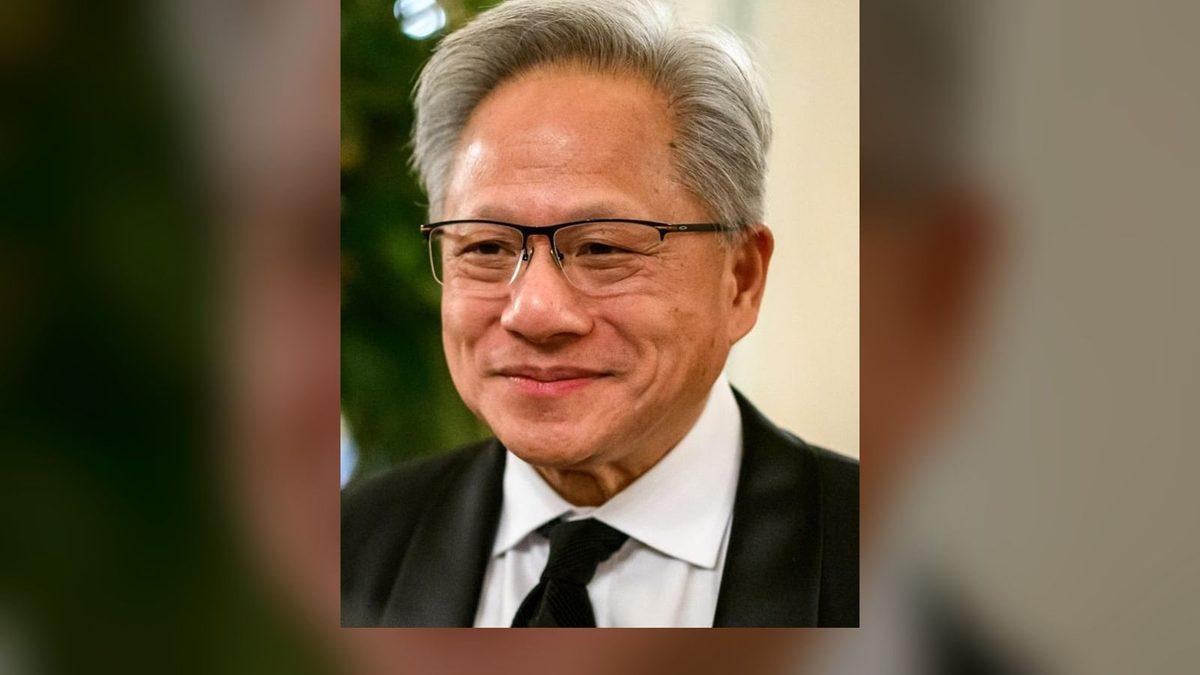
If the board of directors decides that my return is in the best interest of our shareholders, our employees, the company, and America, I would be honored to answer these calls and return as CEO.
Jensen Huang, in a statement on November 17, 2026foto: The White House · Public domain
That same day, during the quarterly earnings call, the board publicly stated it had "no intention" of reinstating Huang. Wired learned that the board was alarmed by what a source described as Huang's "lies" over the past year.
The turnaround did not come without organized pressure. On the day of the resignation, employees left more than 1,600 comments in an internal suggestion box asking for Huang's return. In the following days, a public petition gathered more than 200,000 signatures, most from people who identified themselves as Nvidia shareholders. Figures such as Elon Musk and Y Combinator CEO Garry Tan voiced support for the petition.
The Role of the U.S. Government
The board stated, in the reinstatement announcement, that it was "satisfied as to the candor and leadership ability" of Huang, and said it had "received information from senior levels of the United States government" before making the decision.
President Donald Trump, who developed a close relationship with Huang during his second term, had already signaled openness to the executive's return. On November 16, Trump told reporters he "wouldn't mind" Huang's return, and that he believed Huang had "learned a great lesson." This past Monday, Trump posted that Nvidia's board "made the right and appropriate decision" in returning Huang to the CEO position.
The Scale of What's at Stake
Huang co-founded Nvidia in 1993, alongside Chris Malachowsky and Curtis Priem, with the original aim of bringing realistic 3D graphics to personal computers. For years, the company was known mainly within the gaming community, until it became a central piece of AI infrastructure through its GPUs.
In September 2026, Nvidia controlled about 90% of the global GPU market. The previous year, it had become the first company in history valued at more than US$4 trillion. Since Huang's resignation, the company's shares have been in sharp decline.
What Remains Unresolved
For those leading technology companies, the episode exposes a tension that is hard to resolve: a board that publicly declared, on an official earnings call, that it had no intention of reinstating its CEO, and eleven days later did exactly that, citing pressure from employees, investors, and the government. It is a governance precedent other boards will watch the next time they have to deal with an irreplaceable founder in the middle of a reputational crisis.
The suspicion of Alice Huang's ties to Chinese intelligence remains without definitive confirmation or denial, and the accusations against Megaspeed over circumventing chip export restrictions have also not been publicly resolved. Nvidia regains its founder, but not the questions that prompted his departure.
Translated from the Brazilian Portuguese original · Read the original
US banks block third-party AI agents, and Brazil watches closely
Wells Fargo, JPMorgan Chase, Bank of America, Citi, and PNC changed their terms of use to restrict bots that make purchases and transactions on behalf of customers. For those building financial automation tools, the signal is clear.