Figma's Dev Mode MCP Server teaches AI agents to use real tokens and components
The Dev Mode MCP Server connects clients like Claude Code and Copilot CLI directly to Figma file data. Instead of interpreting a screenshot, the agent reads real variables, components, and layout before generating code.
- Reading
- 7 min
- Tables
- 1
The Dev Mode MCP Server connects clients like Claude Code and Copilot CLI directly to Figma file data. Instead of interpreting a screenshot, the agent reads real variables, components, and layout before generating code.
The Dev Mode MCP Server connects clients like Claude Code and Copilot CLI directly to Figma file data. Instead of interpreting a screenshot, the agent reads real variables, components, and layout before generating code.
The problem: AI that "guesses" the design system
Asking an AI agent to "implement this Figma screen" usually means pasting a link or a screenshot and hoping the model guesses the rest. Without access to the file's internal data, the AI sees pixels, not decisions: it doesn't know whether that blue is the color/brand/primary variable or an approximate shade, nor whether the button has a defined disabled variant or is just a grayed-out rectangle. The result is code that looks right at first glance and diverges from the design system in the detail that matters.
This is the problem Figma's Dev Mode MCP Server tackles, according to the official Figma Help Center guide. Instead of the AI interpreting an image, the MCP Server exposes the Figma file itself, as a data source, for the agent to query: variables, components, auto layout, and the real structure behind the selected screen.
What changes with Figma's MCP Server
Here, Figma uses the Model Context Protocol (MCP), an open standard that gives AI agents a consistent way to read external data sources. In practice, the server works as a bridge: the MCP client (Claude Code, Copilot CLI, Cursor, among others) calls the server, which returns structured data from the design file instead of just a visual capture.
According to the guide, this enables a specific set of tasks:
- Generating code from selected frames, useful for teams building a new flow or iterating on an existing screen.
- Pulling design context (variables, components, layout data) straight into the IDE, especially valuable in design-system-based workflows.
- Pulling FigJam diagram assets into the code generation flow, carrying architecture and flow decisions from the ideation stage into development.
- Gathering code assets from Make files as context for the agent, supporting the move from prototype to production.
- Writing back to the Figma Design, FigJam, and Figma Slides canvas, creating and updating frames, components, variables, and auto layout directly from the MCP client.
This last point reverses the traditional flow: instead of only extracting from Figma to generate code, the agent can also create native content in the file, using the design system as the source of truth. The guide is explicit that this write feature requires the remote server, a Full seat license to write outside one's own drafts, and is free only during the beta period: afterward it becomes a pay-per-use feature.
Remote or desktop: which server to choose
Figma offers two ways to connect the MCP Server, and the choice directly affects which features are available.
| Mode | How it runs | Requirement | Feature scope |
|---|---|---|---|
| Remote (recommended) | Endpoint hosted at https://mcp.figma.com/mcp, no need for the desktop app | Plan with MCP access; Full seat to write to the canvas | Broadest feature set: canvas writing, live UI capture, figma-spec |
| Desktop | Runs locally via the Figma desktop app | Dev or Full seat on a Professional, Education, Organization, Government, or Enterprise plan | Geared toward specific organization/enterprise needs |
The official Figma Help Center guide indicates that Government accounts have both desktop and remote connections, and that the remote endpoint for those accounts is separate, https://mcp.figma-gov.com/mcp; the commercial one-click installation flows don't configure those accounts. This information updates what iMasters itself published on October 17, 2026, when it reported that Figma for Government only supported the desktop server: according to current documentation, the remote option also exists for Government, just through its own endpoint and tool catalog, different from commercial Figma. Anyone using a Government account should follow Figma's specific documentation for that environment before setting up any flow.
From the Figma link to code: the flow in practice
Getting design context is link-based, not a free search across the whole file. The guide describes the flow in three steps:
- In Figma Design, right-click the desired frame or layer and choose "Copy link to selection."
- Paste that link into the MCP client (the Copilot chat, Claude Code, Cursor, etc.).
- Ask the agent to implement the design from there.
The MCP client doesn't open the link like a browser: it extracts the node ID that the server uses to identify exactly which object to return. It's this binding to a specific node ID, rather than a screenshot, that lets the agent pull the actual color variable value, the component name and its variants, and the auto layout structure of that element, instead of rebuilding everything by visual resemblance.
Code Connect: the missing evidence for the agent
Having access to the file's data solves half the problem; the other half is knowing which code component corresponds to each Figma component. That's where Code Connect comes in, cited in the guide as a way to keep generated code consistent with the existing codebase: it reuses the project's real components instead of letting the agent recreate a button from scratch with every prompt.
This matters particularly for accessibility, although the official guide doesn't address the topic directly. A button component in the design system can carry semantic states like focus, disabled, and error, already tested against contrast criteria and keyboard navigation, when those decisions were documented in the original implementation.
An AI that only sees the image of a screen has no way of knowing that light gray is the documented disabled state, nor can it reproduce the aria attribute or the visible focus that the original component may have addressed. The MCP Server and Code Connect, on their own, don't guarantee that this accessibility information exists or is passed along: they depend on what the code component already carries.
The guide also notes a specific limitation: Figma for Government only supports Code Connect via CLI, without the Code Connect interface available in that environment.
Skills, specs, and the limits of what's still beta
The MCP Server exposes individual tools; skills are higher-level instructions that tell the agent which tool to use, in what order, and how to apply the result. The guide is direct in stating that skills don't replace the MCP connection or add new capabilities: they package recommended flows to reduce trial and error.
Among the skill-guided flows, the guide cites connecting Figma components to code components via Code Connect, generating design system rules aligned with the codebase, translating designs into production-ready code, and reading/updating Figma Specs.
The figma-spec skill, in particular, lets the agent read, create, and update the team's specs: requirements can be shared before the agent starts building, and the agent itself logs decisions and findings back into the spec as it works. The guide marks this feature as open beta, and writing to a spec requires the remote server and edit access to the file.
Another remote server feature is capturing the live UI of an app (production, staging, or localhost) and turning it into editable layers in Figma Design; the guide doesn't label this function as beta, only requiring the remote server and client support. The flow is also prompt-driven: ask the client to start a local server for the app and capture the UI in a new Figma file, follow the instructions (which open a browser window), use the capture toolbar to choose pages, elements, and states, and let the agent know when done to receive the link to the generated file.
Where this still falls short
Not every MCP client has feature parity. The catalog cited in the guide lists varying support among clients such as Claude Code, Claude Desktop, Copilot CLI, Cursor, and Gemini CLI for the desktop server, remote server, canvas writing, and skills, and Figma itself recommends checking Figma's MCP catalog for the updated list before setting up a team's workflow.
It's less worthwhile for those working with files that lack Code Connect configured and named variables: in that case, the agent still reads real node data, but without the mapped code component, much of the fidelity gain is lost. Teams that depend on canvas writing at scale should also remember that the feature is free only during the beta and will become pay-per-use, which weighs on the adoption calculation before redesigning a workflow around it.
Translated from the Brazilian Portuguese original · Read the original

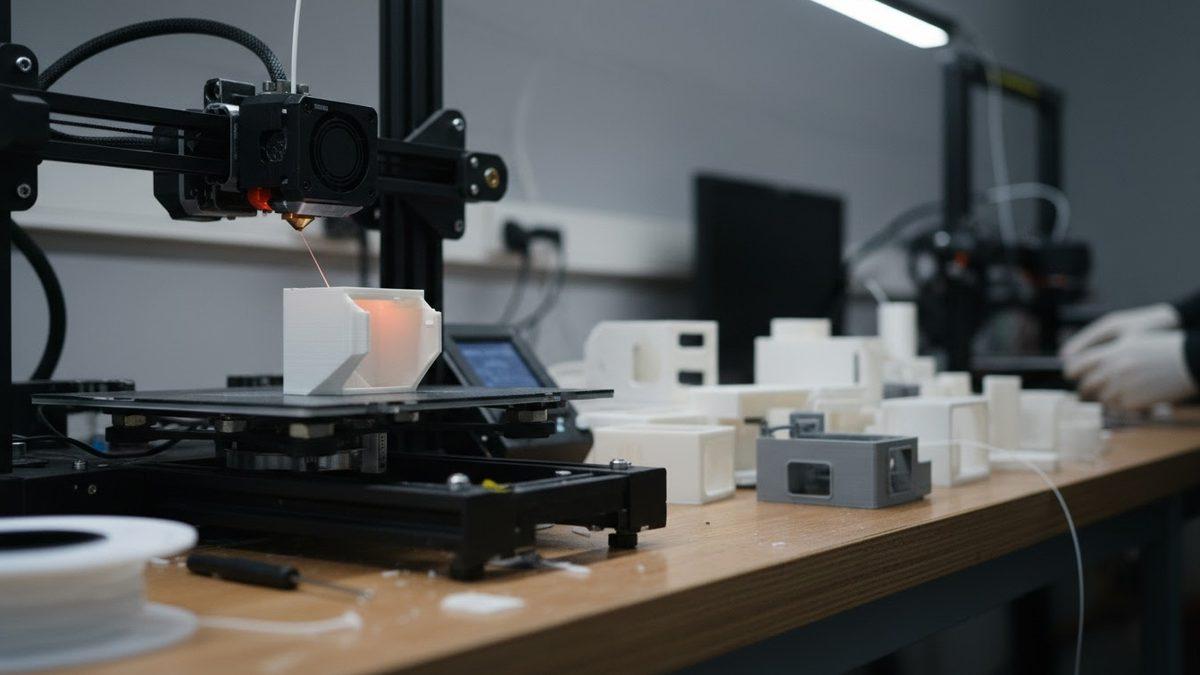
With AI, the prototype became the spec, and the document comes after
When building a working version costs an afternoon, the document that used to come before the work now comes after it. This changes what discovery, research, and specification mean in the daily work of people who design products.