Bluetooth Core 7.0 adopts HDT and boosts BLE throughput by nearly 4x
The gain targets high-resolution audio, but directly affects wearables, IoT, and personal AI devices.

- Reading
- 4 min
The Bluetooth SIG formalized High Data Throughput (HDT) as an optional feature of Core 7.0, raising the maximum bit rate supported by Bluetooth LE from 2 Mbps to 7.5 Mbps. The gain targets high-resolution audio, but directly affects wearables, IoT, and personal AI devices.
The Bluetooth Special Interest Group (SIG), the body that maintains the standard, formalized Bluetooth High Data Throughput (HDT) as an optional feature of Bluetooth Core 7.0 on November 4, 2026. In practice, the maximum bit rate supported by Bluetooth LE rises from 2 Mbps to 7.5 Mbps, nearly four times higher, according to the announcement reported by The Verge. The SIG had already been demonstrating this evolution over the past year before its formal adoption into the specification.
For those developing on BLE, the distinction between "adopted in the specification" and "available in hardware" matters. HDT is an optional feature of Core 7.0, and the first devices supporting it are expected to appear sometime in 2027, according to the SIG.
Why BLE Throughput Was So Limited
Bluetooth LE was born prioritizing extremely low power consumption, not data throughput. That always created practical friction: any app exchanging larger volumes of data over BLE, whether an ECG sensor, a firmware transfer, or an audio stream, hit the 2 Mbps ceiling and had to compensate with packet fragmentation, reconnections, or, as a last resort, abandon BLE altogether and fall back to Wi-Fi Direct or Bluetooth Classic.
HDT attacks this bottleneck directly at the radio layer. With more bits per second, the BLE radio also stays on for less time to transmit the same volume of data, which the SIG points to as a simultaneous gain in throughput and battery life.
Audio Leads the Way, but the Practical Effect Is Broader
The primary application for HDT, according to the SIG, remains wireless audio: high-resolution streaming, spatial audio, and multichannel surround sound without relying on proprietary formats like those used today by headphone manufacturers. But the throughput gain has a direct side effect on at least four fronts that every connected-hardware developer has already run into:
- Wearables: smartwatches can sync more workout, health, and fitness data with the smartphone without drawing more battery, because the radio spends less time on to deliver the same volume.
- Spatial computing and XR: glasses and extended-reality devices gain room for more robust experiences without needing a permanent Wi-Fi connection.
- Embedded personal AI: wearable AI devices can pass data along more efficiently for processing on the smartphone, allowing for lighter, smaller hardware.
- Firmware updates: OTA (over-the-air) updates on smartwatches and smart-home accessories tend to become fast enough to no longer be postponed by the user.
This last point gets little space in the announcement, but it matters for anyone maintaining a product in the field: firmware updates over BLE today are often the bottleneck that forces the user to leave the device "charging and updating" for minutes. A throughput 3.75 times higher reduces that window proportionally, which makes frictionless automatic-update policies easier for the end user.
What Changes (and What Doesn't Change Yet) for Developers
For teams working with BLE in a product, HDT isn't something to test tomorrow. As an optional feature of Core 7.0, it will only show up in SoCs and radio modules that the manufacturer decides to certify, and it tends to appear first in audio-focused chips, since that's the use case the SIG itself is prioritizing.
Until then, what already counts as recommended practice in throughput-sensitive BLE projects still applies: negotiate the highest possible MTU (Maximum Transmission Unit) on the connection, use Data Length Extension, available since Bluetooth 4.2, and, when the data volume justifies it, evaluate whether the use case really needs to stay on BLE or whether Bluetooth Classic (BR/EDR) already solves it with less rework. HDT doesn't replace these architecture decisions, it only changes the upper ceiling available once the hardware arrives.
Bluetooth SIG CEO Neville Meijers described the feature as opening a new front for the standard beyond audio:
Bluetooth HDT brings a new level of performance to Bluetooth technology, expanding the role it can play across consumer, commercial, and industrial markets and creating a powerful foundation for the next generation of wireless innovation.
Neville Meijers, CEO of Bluetooth SIG
What's Still Open
The SIG's announcement doesn't include a list of chipset manufacturers committed to HDT support, nor an SDK or specific toolchain for developers to test the feature today. There's also no detail on how HDT interacts with the existing Bluetooth LE Audio (LC3), nor on the minimum certification requirements for a product to advertise compatibility.
In practice, for those building IoT, wearable, or peripheral products in Brazil, the feature enters the hardware planning radar for 2027 onward, not as something to evaluate in a prototype over the coming months. What can already be done now is to map out, in the product roadmap, where BLE throughput is the real bottleneck today (audio, OTA, sensor synchronization) in order to know exactly where to prioritize adoption once certified HDT modules start appearing on the market.
Translated from the Brazilian Portuguese original · Read the original
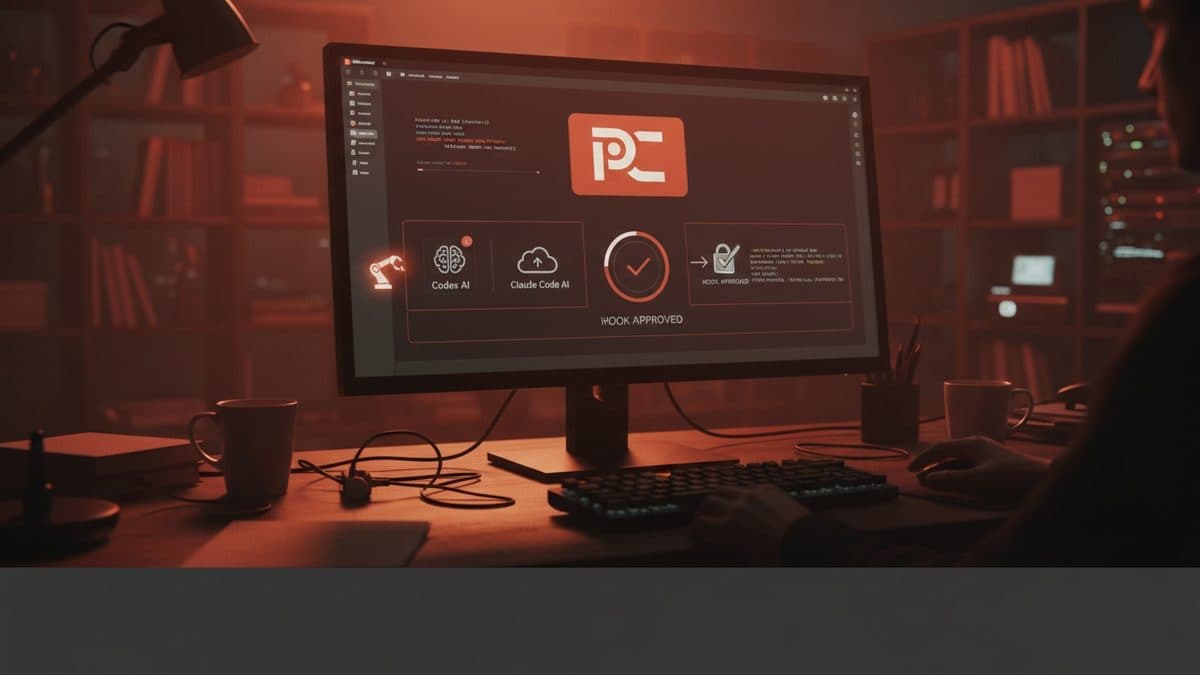
Postman installs Codex and Claude plugins without notice and approves its own hooks
An issue opened in Postman's official repository shows the desktop app installing AI plugins in agents like Codex and Claude Code without asking for consent, and approving on its own the hook it created itself.