Vercel Sandbox now accepts managed npm credentials for AI agents to install private packages


- Reading
- 4 min
- Code
- 2
Vercel Sandbox integrates the team's npm credentials, stored as Shared Environment Variables, so a code agent can install private dependencies without ever seeing the access token.
Vercel Sandbox is the ephemeral environment Vercel offers to run untrusted code, usually generated or executed by AI agents, isolated from production infrastructure. Until recently, installing a private package inside this environment required exposing the npm token directly to the process running in the sandbox, including when an autonomous agent writing and executing commands on its own is in control.
Vercel's changelog (check the source link) describes the change: you can now pass credentials: { npm: true } when creating the sandbox and let it use the npm credentials already configured for the team, without the token circulating through the agent's code.
What changes in practice
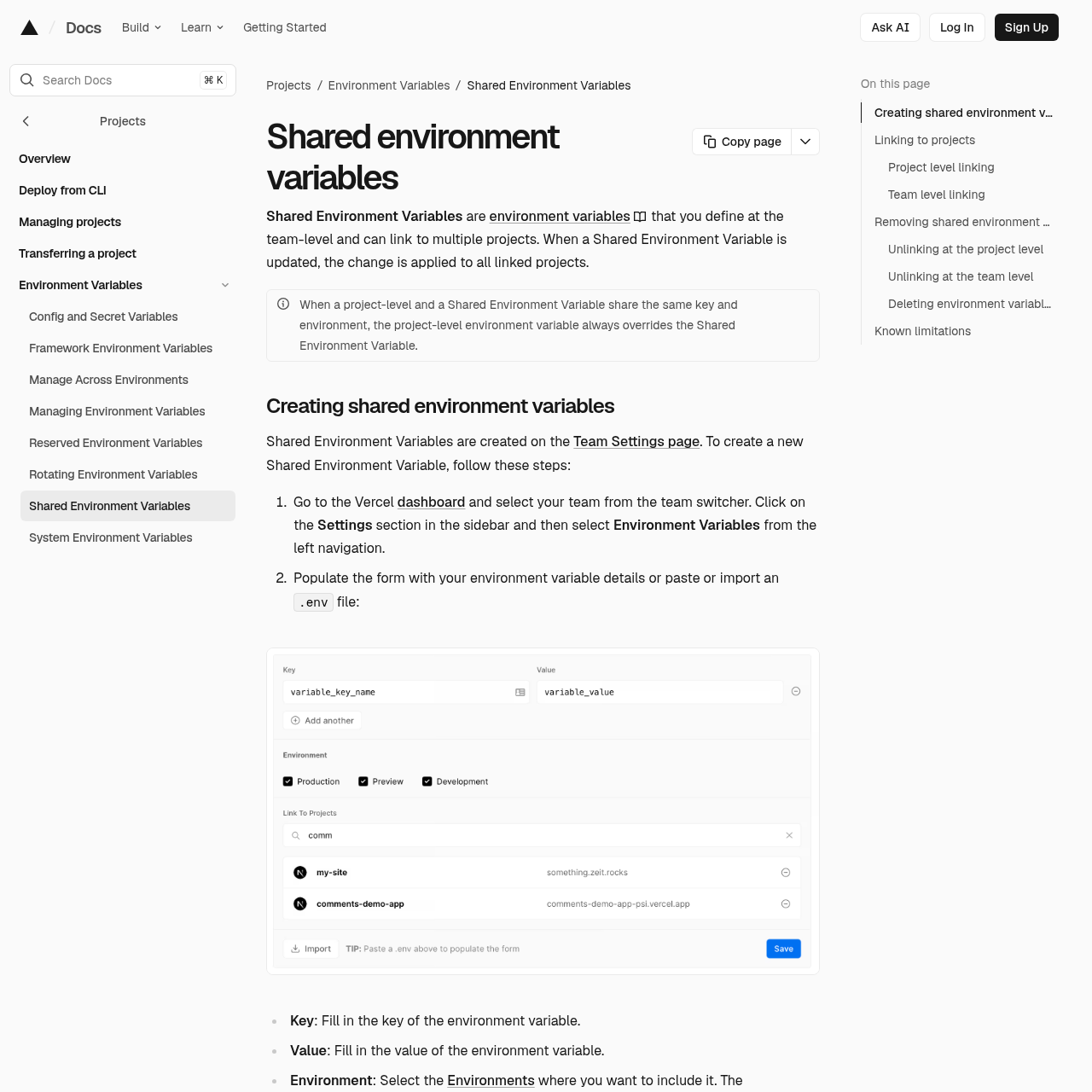
The credential is no longer something you manually inject as an environment variable inside the sandbox. It is stored in the team's Shared Environment Variables on Vercel, and the sandbox requests access to it in a managed way. This applies both to the public npm registry and to private registries like GitHub Packages and JFrog Artifactory, as long as they are previously configured for the team.
In practice, the code flow looks like this:
import { Sandbox } from "@vercel/sandbox";

const sandbox = await Sandbox.create({ credentials: { npm: true } });
// Clone or copy the project files into the sandbox's working directory first.
await sandbox.runCommand("pnpm", ["install"]);
Notice there's no token at all in this snippet. The sandbox receives the npm: true flag and resolves authentication on its own when pnpm install fires the requests to the registry.
How the credential stays hidden from the code that uses it
The mechanism behind this is a firewall that sits between the sandbox and the external network. According to Vercel, it is this firewall that adds authentication to the install requests sent to the configured registries, not the process running inside the sandbox. The token is never actually read by the application, the agent, or any dependency installed along the way.
This matters because it changes the threat model. Before, if an AI agent ran npm install with the token available as an environment variable, any malicious postinstall script from a dependency (including a transitive dependency) had a chance to read that value and leak it. With authentication happening at the edge, outside the install process, this specific exfiltration vector no longer exists.
Who needs to update what
To use the feature, you need to be on the latest version of the Sandbox SDK or CLI:
pnpm add @vercel/sandbox@latestThe npm credentials documentation, linked in the changelog itself, walks through how to register the team's credentials and how to point to custom registries beyond the default npm one.
What this solves, and what remains open
The real gain here is restricting the token's blast radius, not eliminating supply chain risk entirely. It's worth separating the two problems:
- Solved: the token no longer travels through the code the agent writes or executes, so a malicious prompt or a compromised dependency can't simply read the environment variable and steal the credential.
- Not solved: if the token configured in the Shared Environment Variables has publish permission (not just read), a malicious package installed during the session can still try to abuse the authenticated network session while it's active. The credential's scope remains the responsibility of whoever configures the team.
This means the usual care with CI/CD tokens, using read-only credentials when possible, reviewing who has access to the Shared Environment Variables, still applies. The feature reduces the attack surface; it doesn't eliminate the need for the principle of least privilege.
Who this actually matters for
This feature only makes sense for those who already run code agents (autonomous copilots, UI generation tools, pipelines that write and execute code on their own) inside Vercel Sandbox and depend on the team's private packages, whether on a private npm registry, GitHub Packages, or JFrog Artifactory. If the project only consumes public packages, the change doesn't alter anything in day-to-day work: the usual npm install already works without any friction.
For teams building products on top of Sandbox as execution infrastructure for AI agents, the difference is more practical than it seems at first glance. Before, giving an autonomous agent the ability to install private dependencies meant accepting that the token would be exposed to the same process the agent controls, or else maintaining pre-configured images with the credentials already baked in, which carries its own rotation and leak risks. With the credential resolved by the firewall, it becomes possible to delegate more autonomy to the agent, such as letting it clone a private repository and install its own dependencies, without giving up control over who sees the secret.
It's worth noting this isn't exclusive to Vercel Sandbox: it's the same principle behind authentication proxies used in CI pipelines for years, just now applied to the specific context of ephemeral sandboxes created on demand by AI agents, a usage pattern that is still recent and tends to grow as more teams put agents to work writing and running code autonomously.
Translated from the Brazilian Portuguese original · Read the original
Vercel's Workflow SDK 5 encrypts data by default and cuts latency by up to 25x
The new version of the SDK that keeps pipelines and agents running through failures and deploys tackles three fronts at once: security, reliability, and performance for AI workloads.